


search
date/time

Sun, 7:00AM
broken clouds
10.5°C
SSW 1mph
broken clouds
10.5°C
SSW 1mph
 | Sunrise | 4:56AM |
| Sunset | 7:18PM |  |

Allison Lee
Smallholding Correspondent
P.ublished 27th June 2026
lifestyle
Hoof Care For Goats
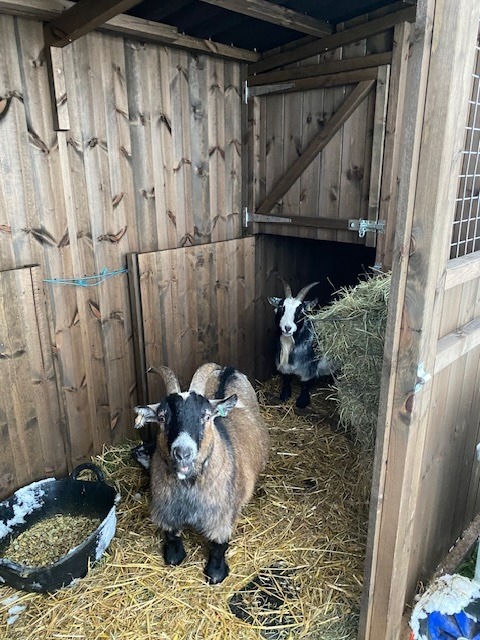
Goats in their shelter waiting for hoof trimming
Trimming the hoof prevents lameness and infection and enables the goat to walk comfortably and pain-free. You will know when the hoof needs trimming, as it will begin to curl back over itself.
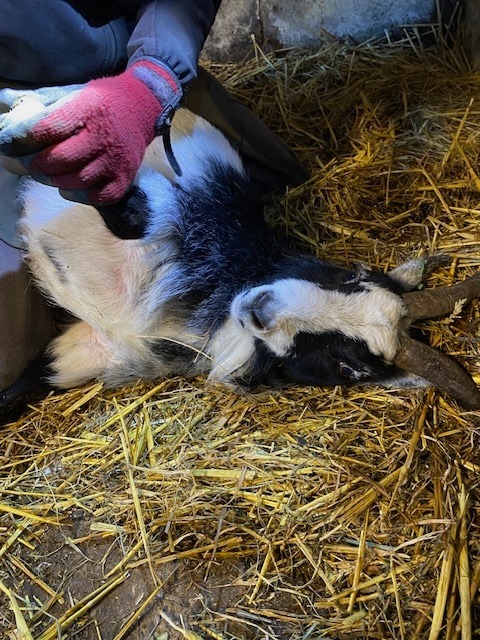
Having a hoof trim
Hoof pick – this will help you remove any debris, mud, and stones.
Shears – specifically designed shears for goats’ hooves – are essential. Hoof trimmers are similar to standard garden secateurs and are probably the most cost-effective way of trimming hooves. A good alternative is an electronic trimmer, which consists of a spinning metal disc that grinds rather than cuts the hoof. Personally, I prefer the manual method, as it is quieter and less likely to scare the goats. The electronic trimmer, however, allows for superior trimming and shaping.
Rasp – If you use manual trimmers, it is a good idea to have a rasp, a bit like a nail file, to file away any rough edges and leave the hoof smooth.
Styptic powder – essential for stopping any bleeding in the event that you accidentally nick the goat when trimming their hoof.
Gloves – to protect your hands whilst trimming.
Favourite treats – it is always good to reward the goats after they have had any necessary treatments.
The more you get to know your goats and the more time you spend with them, the easier hoof trimming will be. As they begin to trust you, they will be much easier to catch. To be honest, the easiest way for me to catch our goats is to wait for it to rain, when I know they will go into their shelters, and then I can bolt the door so they can't escape!
It is important to ensure the goats are adequately restrained and calm. The first job is to clean the foot with the hoof pick. Next, you need to trim the sidewalls of the hoof, which means cutting off the outer hoof that has started to curl over the sole. Always trim small amounts at a time and work slowly to ensure you do not remove too much or go too deep. Once the sides have been trimmed, you can shorten the toe by snipping the tip straight across. Before finishing, make sure that the hooves are flat and even, and check that the goat can walk naturally.
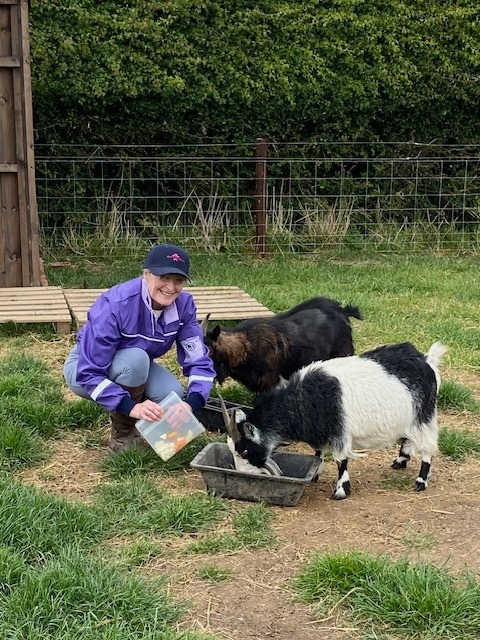
Regular checks are essential
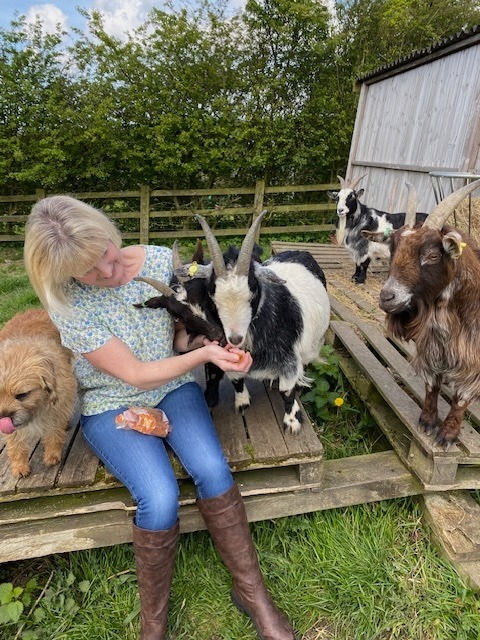
Treats after hoof trimming
As with our nails, a goat's hooves grow at different rates and in different shapes, so whilst some of your goats might need a deep trim, others may not need trimming at all. In addition to regular checks and trimming, you should always be vigilant and look out for any changes in how your goats walk, which are the first indication of problems. A goat that is limping or has a noticeable change in gait will most likely have a hoof as the root cause of the problem. Regular trimming prevents painful lameness, improves posture, and reduces the risk of bacterial infections.
Whilst my little herd of five goats is ensconced in their shelters having their hooves trimmed, I use the time to brush them and check for parasites, treating where necessary. Once they have had the full overhaul, they get their favourite apricot treats!
Also by Allison Lee...
The Power Of HerbsThe Impact Of The Drought On The SmallholdingIt's Showtime!Sourcing A SmallholdingFrom Cattle Trailer To Countryside Icon: The Flower Belt Celebrates Its 5th SeasonThe shortened address for this article is: newspub.uk/01zxe
Search Results