


search
date/time

Sat, 4:00PM
broken clouds
16.9°C
WNW 22mph
broken clouds
16.9°C
WNW 22mph
 | Sunrise | 3:32AM |
| Sunset | 8:36PM |  |

Allison Lee
Smallholding Correspondent
P.ublished 13th June 2026
lifestyle
Feeding Laminitic Horses And Ponies
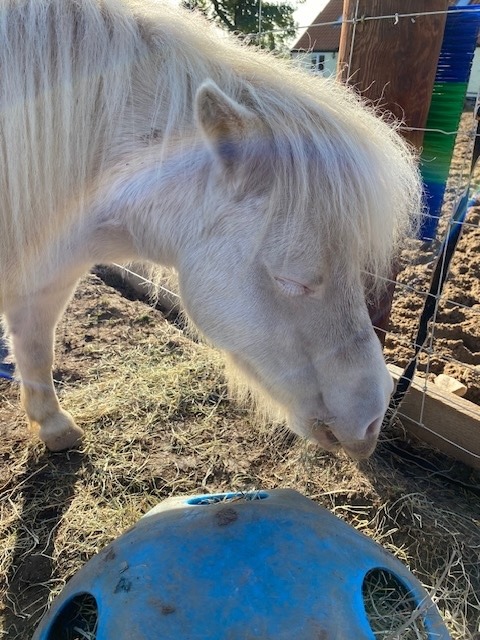
Use hay balls to slow down feeding
I spoke with Amy Westacott, an Equine Nutrition and Sustainability Advisor at Saracen Horse Feeds Limited, who told me that forage is the most important part of a horse's or pony's diet and is often overlooked. Amy advised that horses and ponies should consume at least 1.5% of their body weight in forage on a dry-matter basis per day to maintain digestive health. If excess weight gain is not a concern, this can be increased to 2%- 2.5%, depending on appetite. This forage can come from grass, hay/haylage, or short chops such as chaff. Bear in mind that haylage is higher in water and lower in fibre than hay and must, therefore, be fed in larger quantities to provide the same level of fibre.
As many readers of my weekly column will know, both my miniature Shetland ponies are prone to laminitis, and I am therefore very keen to ensure that what I feed them is suitable and won’t trigger another bout of laminitis, as it is utterly heartbreaking to witness a pony suffer from this dreadful condition.
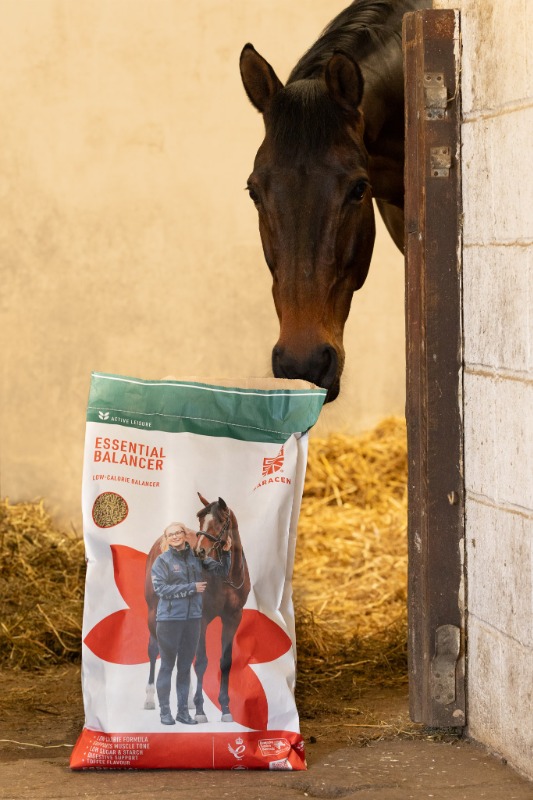
Saracen's Essential Balancer
Amy explained that balancers are nutrient-dense and, therefore, fed in small amounts, whereas traditional cubes and mixes need to be fed at higher rates to ensure trace element levels are met. She told me that the optimal feeding rate is 100 g per 100 kg of bodyweight, so she recommended feeding my two miniature Shetland ponies, each weighing approximately 125 kg, at:
125g Essential Balancer
½ - 1 scoop of chaff
I have suggested adding chaff to the feed, as feeding chaff encourages the horse to chew thoroughly, prevents rushing feeds, and increases saliva production. Increased saliva production helps buffer stomach acid, thereby decreasing the risk of gastric ulcers. In addition, feeding chaff slows the rate of passage of the feed through the digestive system, helping to ensure the horse can fully break down and utilise the feed in the correct areas of the gut.
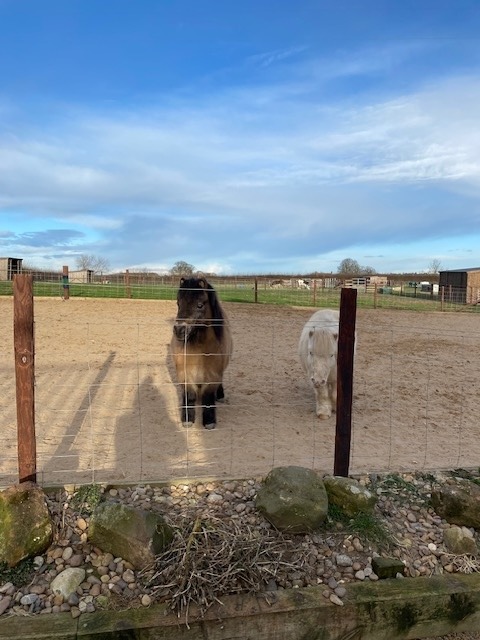
Limit time on grass
Saracen recommends weighing your horse and body fat, and scoring your horse bi-monthly at a similar time each day. They also recommend taking photos of your horse standing square, with no rugs or tack on, as this is a great way to track your horse’s weight journey and visually compare changes over time.
With regard to my own ponies, Amy went on to say that “The minimum amount of forage we would want your two to consume would be 2kg. As they are at a good, healthy weight, we wouldn’t recommend reducing or restricting their hay intake or grazing in their current routine (2-3 hours turnout and 3kg hay per day), as there is no need. If they did start to gain too much excess weight, then we may look at reducing their hay slightly and soaking it.” She added, “For now, as they are happy and healthy, we wouldn’t change anything apart from checking the feeding rate of their current feed. If you did want a Saracen product, then Essential Balancer would be the one.”
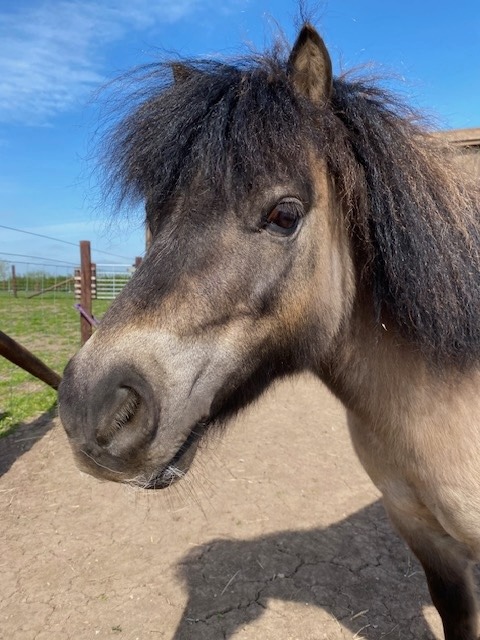
Chieftain, miniature shetland pony
Soaking hay – Soaking hay is an effective way to reduce calorie content without limiting the fibre a horse receives. Saracen suggests soaking hay for 60 minutes in cold water or 30 minutes in hot water (16 degrees or above) to maintain hygienic quality. It is important to rinse off any sugary water.
Swap out a portion of their allowance for a low-calorie chaff
Swap out a portion of their allowance for some good-quality straw (no more than 0.25kg of DM/100kg of bodyweight). Always ensure regular dental checks are carried out. If your horse has compromised dentition, do not add straw to their diet.
Don’t forget that grass is included in their forage intake, so this may need to be restricted with strip grazing or grazing muzzles. Equines should not be left with a muzzle on for 24 hours a day.
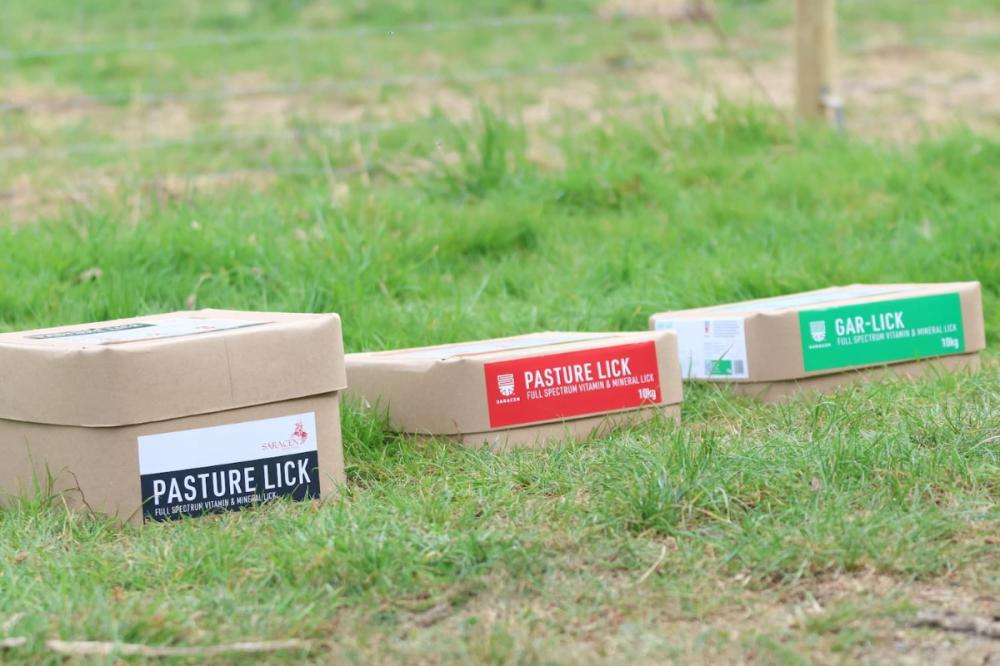
Pasture Lick Range - Saracen