


search
date/time

Sun, 10:00AM
scattered clouds
12.5°C
SW 3mph
scattered clouds
12.5°C
SW 3mph
 | Sunrise | 4:56AM |
| Sunset | 7:18PM |  |
P.ublished 23rd May 2026
lifestyle
Why Psychological Safety In NHS Maternity Care Matters In Yorkshire
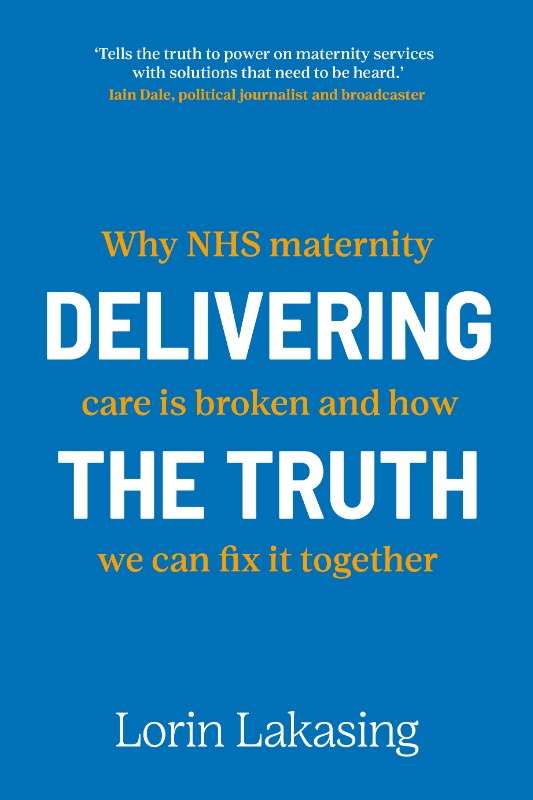
Dr Lorin Lakasing, author of Delivering the truth: Why NHS maternity care is broken and how we can fix it together
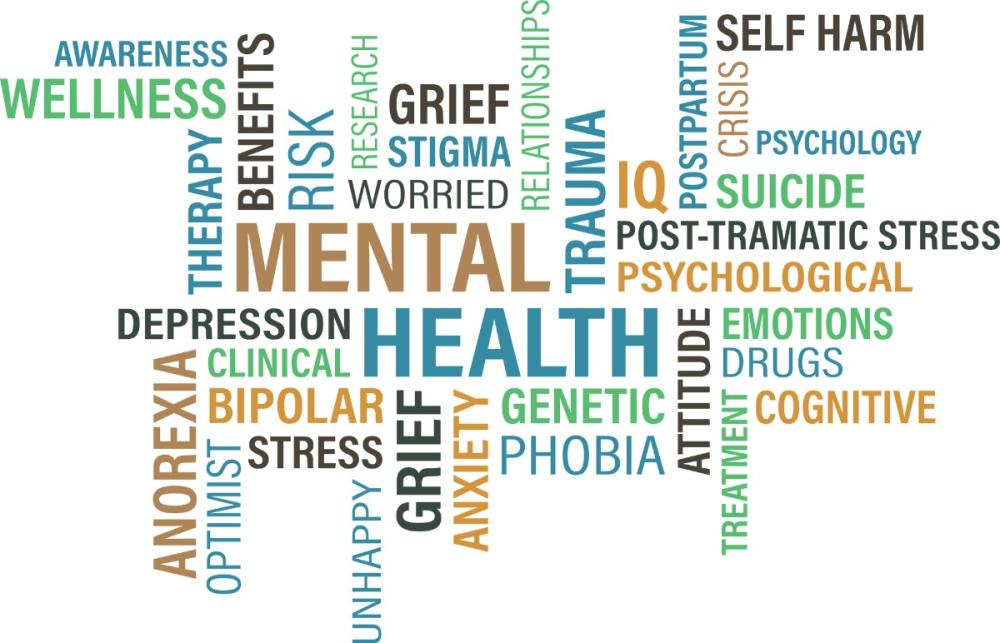
Image: Pixabay
This takes a huge psychological toll on frontline staff. Not only do they have to deal with whatever complaint, tragedy or litigation claim is underway, but they are also expected to continue working whilst under investigation, intense scrutiny, and public criticism, as though none of this affects them personally or professionally.
This isn't just unfair, it's dangerous.
The concept of psychological safety, now widely recognised in healthcare settings, offers a framework for understanding why our current approach is failing and what we need to change.
What Is Psychological Safety?
The phrase "psychological safety" was coined in the early 1990s by Amy Edmondson, a Professor of Business Studies at Harvard University. She observed that successful organisations cultivated environments where workers felt accepted, respected, and able to raise concerns or question processes without fear of repercussion.
When we apply this framework to NHS maternity services, the scale of our failure becomes clear. We've created an environment where frontline staff cannot possibly feel safe because they cannot raise issues without fear of repercussions and there is no shared purpose with managers and patients. Until we address these fundamental deficits, all the protocols, targets, incentive schemes and reorganisations in the world won't improve outcomes.
Every independent maternity inquiry has noted the fate of whistleblowers: at first they’re ignored, then silenced, and then if they do not concede they are actively punished for speaking out. The message to remaining staff is to keep your head down, follow protocols, and don't rock the boat.
This creates a climate of enforced silence that pervades every interaction. Staff tell patients what they want to hear rather than what they need to know, fearing accusations of coercion, dismissiveness, racism, or scaremongering. And they tell Care Quality Commission (CQC) inspectors what management wants them to say rather than what they've actually observed, knowing that contradicting official lines could cost their unit its rating and their job security.
Most don't complete staff surveys honestly because they doubt anonymity claims. They've seen colleagues who spoke truth to power finding themselves under investigation, facing fitness-to-practice proceedings, or simply frozen out of career opportunities. The safer path is silence, compliance, and emotional detachment.
The psychological cost of this enforced silence is devastating. Studies show that 18% of frontline staff involved in poor outcomes suffer from PTSD (Post Traumatic Stress Disorder). One in nine middle-grade doctors report having suicidal thoughts.
But the consequences extend far beyond individual suffering. When staff can't speak honestly about problems, those problems don't get solved. Root causes remain unaddressed: deficiencies in training go unreported, teamwork issues fester unresolved, and senior mentorship disappears as experienced staff retreat into self-preservation mode.
The result is a cascade of dysfunction. Diagnostic errors increase as staff practice defensively according to national protocol rather than intuitively according to an individual patient’s need. Stress and burnout become endemic. Performance deteriorates. Absenteeism rises as people take sick leave to cope with psychological pressure. Staff leave the profession entirely, creating the very staffing shortages that inquiries identify as problems, whilst ignoring the hostile environment that creates them.
Simply recruiting more midwives and obstetricians into this psychologically toxic environment won't solve the staffing crisis. It's like pouring water into a leaky bucket. And until we fix the fundamental problems, we're just cycling through more casualties.
The absence of shared purpose
For frontline staff, the primary goal has become simply surviving each shift intact. Excellence and innovation can't flourish when your main concern is making it through the day without being blamed for something going wrong. Staff arrive thinking about processes that will protect them rather than care that will benefit patients.
Meanwhile, service organisers operate according to different priorities: requirements set out by financially driven incentive schemes, CQC ratings, and metrics relating to compliance and patient feedback that often bear little relationship to good clinical outcomes.
And patients increasingly arrive with predetermined expectations that may conflict with clinical reality. In the absence of clarity, honesty, and time with experienced clinicians, patients turn to online narratives that promote ideological experiences over evidence-based care. Do clinicians push back on those dangerous narratives and risk a complaint? Or do they prioritise patient choice even when it risks mothers and babies lives?
With each group pulling in different directions, psychological safety becomes impossible. Staff can't feel safe to challenge processes when managers prioritise metrics over clinical judgement. They can't feel safe to give honest advice when patients frame clinical guidance as coercion.
The result is a system where nobody gets what they actually need.
With frontline staff focused on survival, managers chasing metrics, and patients pursuing ideological experiences, is it any wonder that maternity services are failing? Each group has rational reasons for their priorities, but collectively they create a dysfunctional system where nobody wins.
The path forward
Real reform requires wholesale change in how all three stakeholder groups approach maternity care. Staff need protection from the blame culture that currently paralyses decision-making. Managers need metrics that reward psychological safety rather than compliance with CQC metrics. Patients need education about the reality of modern maternity care rather than ideology-driven fantasies not relevant to today’s demographic.
Most importantly, we need to rebalance the maternity safety debate. The voices of harmed and bereaved patients are important, but they're not the only voices that matter. The opinions of staff struggling to provide safe care in impossible conditions, managers trying to balance competing demands, and crucially patients who've had positive experiences with NHS maternity services also need to be included.
Until we create an environment where all stakeholders feel psychologically safe to contribute honestly to improving care, we're condemned to repeat the same cycles of blame, investigation, and futile reorganisation.

Dr Lorin Lakasing
Web: https://lorinlakasing.com/publications.html
Amazon: https://amzn.eu/d/g1dX9rh
The shortened address for this article is: newspub.uk/01zi9
Search Results