


search
date/time

Wed, 1:00AM
light rain
10.2°C
6mph
light rain
10.2°C
6mph
 | Sunrise | 6:16AM |
| Sunset | 5:27PM |  |
P.ublished 22nd August 2026
nature
Vet Warns Dog Owners Not To Ignore These Signs After A Walk As Mushroom Season Hits
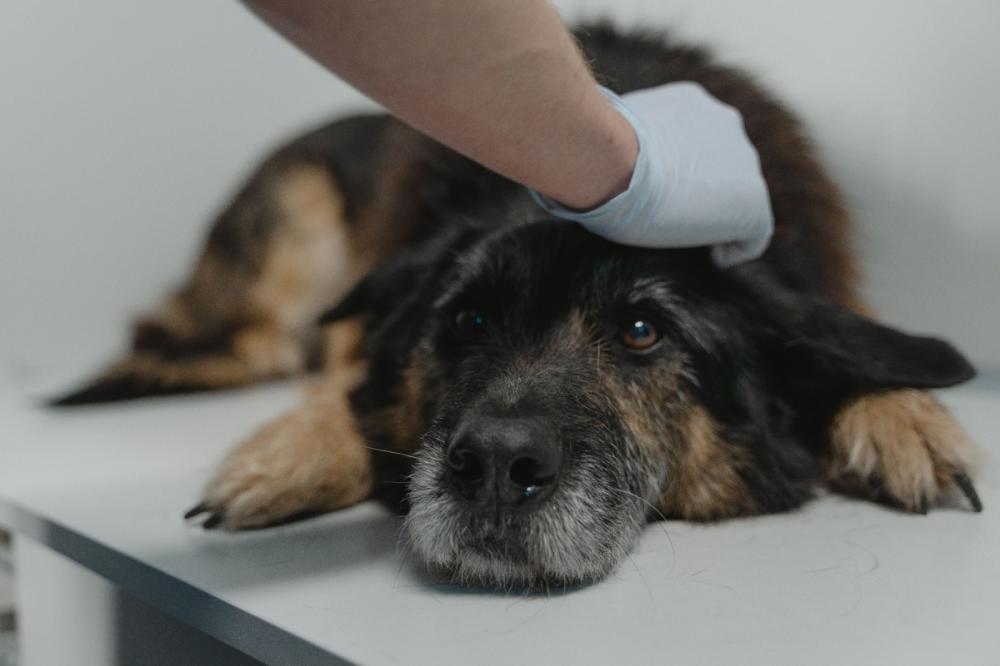
Photo: Tima Miroshnichenko on Pexels
Wild mushrooms are a normal and valuable part of the environment, and most dogs will just ignore them. However, some dogs are more curious or prone to scavenging, and a small number of wild mushroom species can be harmful if eaten.
Sean McCormack, Head Vet at Tails.com, explains when wild mushrooms can pose a risk to dogs, the possible signs of mushroom poisoning and what owners should do if their pet eats one.
Can dogs eat mushrooms?
“Some mushrooms are safe for dogs, including varieties commonly sold for human consumption in supermarkets. However, some wild species contain toxins that can make dogs unwell and, in rare cases, can cause serious or potentially fatal poisoning.
“After weeks of hot weather in the UK, much-needed rain across parts of the country has created ideal conditions for mushrooms and fungi to grow.
“Most dogs aren't particularly interested in mushrooms and will simply leave them alone. However, the thing to be more mindful of is a dog that likes scavenging or investigating and eating things they find on the ground.
“There are thousands of species of fungi in the UK and telling them apart isn't always straightforward, so rather than assuming an unknown wild mushroom is safe to eat, it's sensible to discourage canines that are curious from eating them while out and about.”
Symptoms of mushroom poisoning in dogs
Drooling or excessive salivation
Vomiting and diarrhoea
Tummy pain or discomfort
Loss of appetite
Increased thirst or urination
Watery eyes
Muscle tremors or twitching
Weakness, wobbliness or lack of coordination
Seizures or collapse
Signs of organ failure, such as jaundice or lethargy
What to do if your dog has eaten a mushroom?
“If you suspect your dog has got a little too curious while sniffing around on a walk, make sure you contact your vet immediately for advice and treat it as an emergency, as you never know whether what they’ve eaten is safe or not.
“If possible, bring a sample with you too, using gloves or a bag to collect it, and make a note of when and where it was eaten. This will help your vet identify the best course of treatment for your dog. In a serious case, your vet may induce vomiting, perform tests or provide supportive care.”
Tips to keep your dog safe where there might be mushrooms
1. Pay close attention to dogs that like to scavenge
Most dogs won’t be interested in sniffing out mushrooms in the garden, so don’t be alarmed simply because you spot some fungi growing nearby.
If your dog is particularly curious when outside, keep a close eye on them during walks and in the garden, and steer them away from any mushrooms you spot.
2. Inspect areas of the garden where your dog has access
Mushrooms and other fungi have an important role in healthy gardens and ecosystems, so their presence isn't necessarily something to worry about.
For example, if your dog generally ignores them, they can usually simply be left undisturbed. If you have a dog that is prone to eating things, check areas of the garden they have access to and consider carefully removing mushrooms that could be within reach, rather than routinely clearing fungi from the whole garden.
3. Be vigilant of your dogs behaviour after they have been outdoors
As with anything potentially harmful to your dog when they are outdoors, it’s worth keeping an eye out for any unusual changes in their behaviour once you’re back at home. If they develop symptoms such as vomiting or excessive drooling, contact your vet for advice.
The shortened address for this article is: newspub.uk/020o6