


search
date/time

Thu, 10:00PM
overcast clouds
29.7°C
NW 7mph
overcast clouds
29.7°C
NW 7mph
 | Sunrise | 4:38AM |
| Sunset | 7:40PM |  |
P.ublished 13th August 2026
frontpage
Vet Issues Urgent Warning To Dog Owners After Toxic Giant Hogweed Discovered In Preston
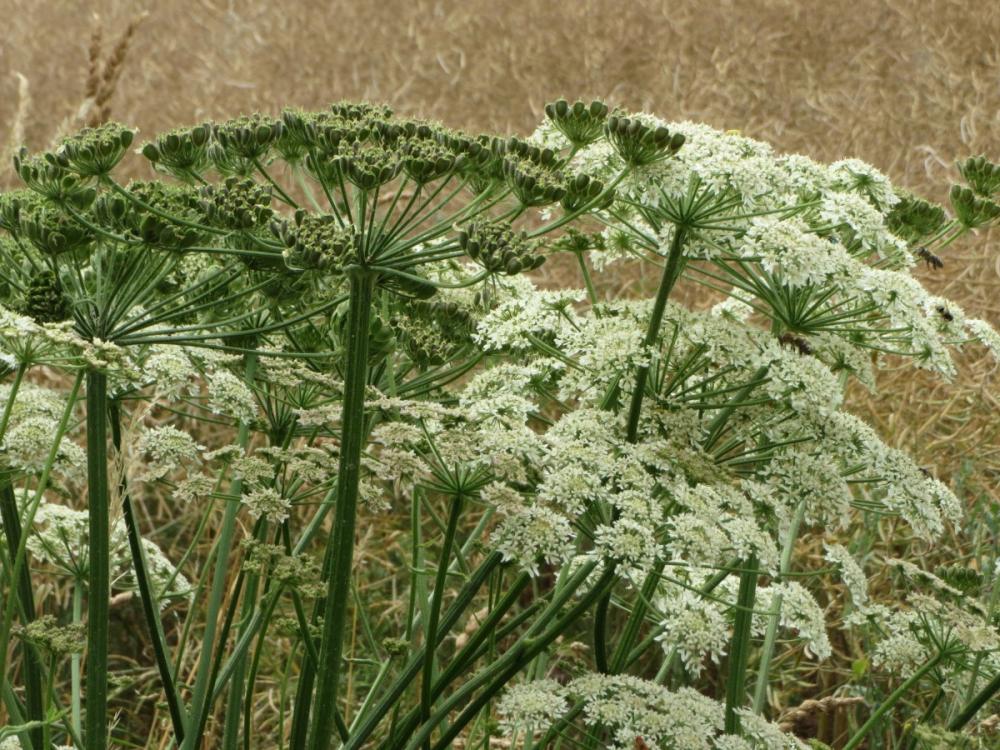
Image by WikimediaImages from Pixabay
Dr Sean McCormack, Head Vet at leading dog food subscription brand Tails.com, shares his advice on protecting dogs from giant hogweed, including the warning signs owners should look out for and why contact with the plant should always be taken seriously.
Giant hogweed can understandably cause concern when it is discovered locally, but this isn’t a new or isolated problem. The plant is found across the UK, with some areas managing it effectively and others continuing to deal with established populations.
That makes awareness especially important. Dog owners don’t need to panic, but they should know what giant hogweed looks like, where they’re likely to encounter it and what to do if their dog comes into contact with it.
It’s also worth remembering that giant hogweed can look similar to other members of the same plant family, including our native common hogweed. Being able to tell the difference can help people avoid unnecessary alarm while still treating suspected giant hogweed with the caution it deserves.
1. Learn what giant hogweed looks like
Giant hogweed is an invasive plant that can grow to several metres tall, so mature specimens are usually much larger than the plants they can be mistaken for.
“Look out for very large, deeply divided or jagged leaves, a thick, bristly stem which can have distinctive purple blotches, and large umbrella-shaped clusters of white flowers.
“Common hogweed is much smaller, generally reaching around 1-2 metres, and its stems don’t have the characteristic purple blotching associated with giant hogweed.
“It also tends to have a blue-green colour to its foliage, which is matte or downy/hairy on the surface, whereas giant hogweed is more of a bright or lime green colour with a shiny appearance
“However, identification can be difficult when plants are young or haven’t flowered, so if you’re unsure, don’t touch the plant or try to investigate it at close range. Take a photo from a safe distance if needed and seek advice from the relevant landowners or local authority.”
2. Keep dogs away from suspected giant hogweed
“Giant hogweed contains compounds called furocoumarins which can make skin extremely sensitive to sunlight. If sap gets onto a dog’s skin and is exposed to sunlight, it can result in painful inflammation, burns and blistering.
“Dogs can have some protection from their coats, but areas such as the nose, mouth, ears, belly and other areas with less fur can be especially vulnerable. If sap gets into the eyes, the consequences can be much more serious, with the potential for significant eye damage and loss of vision.
“Don’t allow your dog to sniff, chew, brush against or walk through suspected giant hogweed, and take extra care around riverbanks, streams, wasteland and other areas where the plant can grow.”
3. Know the symptoms to look out for
Signs of contact aren’t necessarily immediate, so don’t assume your dog is fine simply because you can’t see a reaction straight after the walk.
Redness or irritation of the skin
Swelling or tenderness
Pain or sensitivity when an area is touched
Blistering or burn-like skin lesions
Excessive licking or scratching of an affected area
Squinting, rubbing the face or keeping the eyes closed
Watery or irritated eyes
Changes in vision or difficulty seeing
Skin becoming darker or developing unusual pigmentation as the reaction develops
Eye contact is especially concerning. Any dog showing signs of eye pain, irritation or changes to their vision after suspected contact should be assessed by a vet promptly.
Eye problems can worsen quickly and should never be left to see if they resolve themselves, as it can lead to blindness.
4. Act quickly if you think your dog has been exposed
“If you suspect your dog has brushed against giant hogweed, move them away from the plant and prevent further exposure to sunlight where possible.
“Contact your vet for advice as soon as possible, especially if you know sap has touched your dog’s skin, mouth or eyes, or if any symptoms are developing.
“Don’t wait for severe blistering to appear before taking action. The sap is what causes the problem, and prompt removal of it can help reduce further exposure.
“If sap may have got onto your dog's skin, wash the affected area immediately and thoroughly with plenty of water, keeping the area out of sunlight afterwards. Avoid using creams or other products unless your vet advises you to, and contact your vet for further guidance.
“Owners should also avoid handling the plant themselves with bare hands, especially if they are trying to check whether it really is giant hogweed.”
5. Don’t try to remove it yourself
“Giant hogweed isn’t something I’d recommend dog owners attempting to remove from the environment themselves.
“The sap can cause serious skin reactions in people too, especially when exposed to sunlight, and even cut plant material can remain capable of causing skin damage for a period of time.
“If you find suspected giant hogweed in an area where you walk your dog, keep yourself and your pet away from it and report it to the local council or the landowner.
“Established plants and infestations are best dealt with by people equipped to control and dispose of them safely.”
6. Don’t panic about every hogweed-like plant
“It’s important not to treat every plant that looks vaguely like cow parsley as giant hogweed.
“Common hogweed is a native UK plant and is considerably smaller than its giant relative. It is also an important source of food for a range of insects and other wildlife.
“However, common hogweed can itself cause skin reactions in some circumstances, so the safest approach is still to avoid handling unfamiliar hogweed plants.
“The key message for dog owners is therefore awareness rather than alarm. Learn the distinctive features of giant hogweed, keep your dog away from suspected plants and report them rather than attempting to remove them.
“Giant hogweed is found in many parts of the UK and, depending on the area, may be well managed or more difficult to control. Helping people recognise it and understand the risks is one of the best ways to prevent avoidable injuries to both dogs and their owners.”
The shortened address for this article is: newspub.uk/020hz
Search Results