


search
date/time

Wed, 1:00PM
light rain
19.1°C
WSW 15mph
light rain
19.1°C
WSW 15mph
 | Sunrise | 4:49AM |
| Sunset | 7:27PM |  |
P.ublished 19th August 2026
frontpage
UK Inflation Rises To 2.9% As Energy Bills Bite — Economists Split On What Happens Next
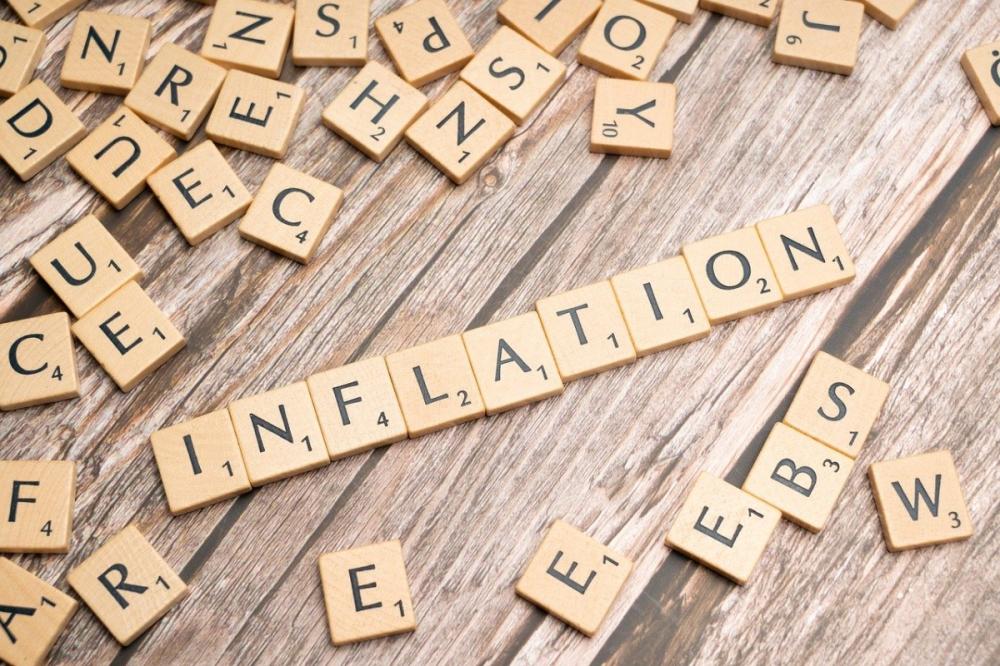
Image by Markus Winkler from Pixabay
The headline rise was driven overwhelmingly by higher household energy bills, following July's increase in the Ofgem price cap. Beyond energy, the picture was calmer: core inflation held flat, services inflation continued to cool, and food price inflation fell again — undercutting recent claims that supermarket "price gouging" has been driving up grocery bills.
Julian Jessop, an independent economist and IEA economics fellow, said market forces were still doing much of the work in keeping a lid on prices. "Most other components were little changed," he noted, adding that subdued demand, strong competition and a weak labour market should reassure the Bank of England that the risk of a wage-price spiral remains limited. He argued the priority should be structural: freeing up markets to boost the supply of housing, food and energy, rather than "constantly tinkering with individual prices".
Derrick Dunne, chief executive of YOU Asset Management, took a similar view on interest rates, arguing the rise was fully anticipated and should not prompt a Bank of England hike. "Core inflation is flat. Services inflation is cooling," he said, describing the energy price rise as an external shock the Bank's base rate cannot meaningfully address. With private sector pay showing no real-terms growth, he said the safest course was to hold rates steady and wait out the pressure, with attention now turning to the Government's forthcoming Budget.
Martin Sartorius, lead economist at the CBI, struck a similarly cautious note, saying inflation is likely to accelerate gradually in the coming months as the ongoing conflict in Iran continues to feed through into prices. He said the rise was broadly in line with the Bank's own expectations, keeping the Monetary Policy Committee on track to hold rates at its next meeting, with loose labour market conditions and soft underlying activity limiting the spillover into domestic prices.
Kevin Brown, savings expert at Scottish Friendly, warned the squeeze may not be confined to energy bills. He pointed to a 13 per cent jump in the price cap in July, with a further rise expected in October, and cautioned that costly fuel and fertiliser — together with an unusually hot summer — could put additional pressure on food production and supply chains. He urged households to make the most of competitive savings rates, or consider longer-term investment, to help offset the squeeze.
Not everyone framed the figures as simply the cost of an external shock. Paul Nowak, general secretary of the TUC, called for further government intervention, including a permanent social tariff to reduce energy bills for most households, funded by a tax on bank profits. He argued that while higher interest rates had brought "mortgage misery" for ordinary households, the banks themselves have been "rolling in it" — making a windfall tax, in his view, straightforward common sense.
Most forecasters expect inflation to remain above the Bank of England's 2 per cent target well into next year, with the Bank widely expected to hold rates at its September meeting, pending August's inflation reading.
The shortened address for this article is: newspub.uk/020mw
Search Results