


search
date/time

Sun, 10:00AM
overcast clouds
19.0°C
W 12mph
overcast clouds
19.0°C
W 12mph
 | Sunrise | 4:31AM |
| Sunset | 7:48PM |  |

Jane Hawkes
Consumer Expert
P.ublished 13th June 2026
lifestyle
Top Tips To Navigate The Energy Price Cap Rise This Summer
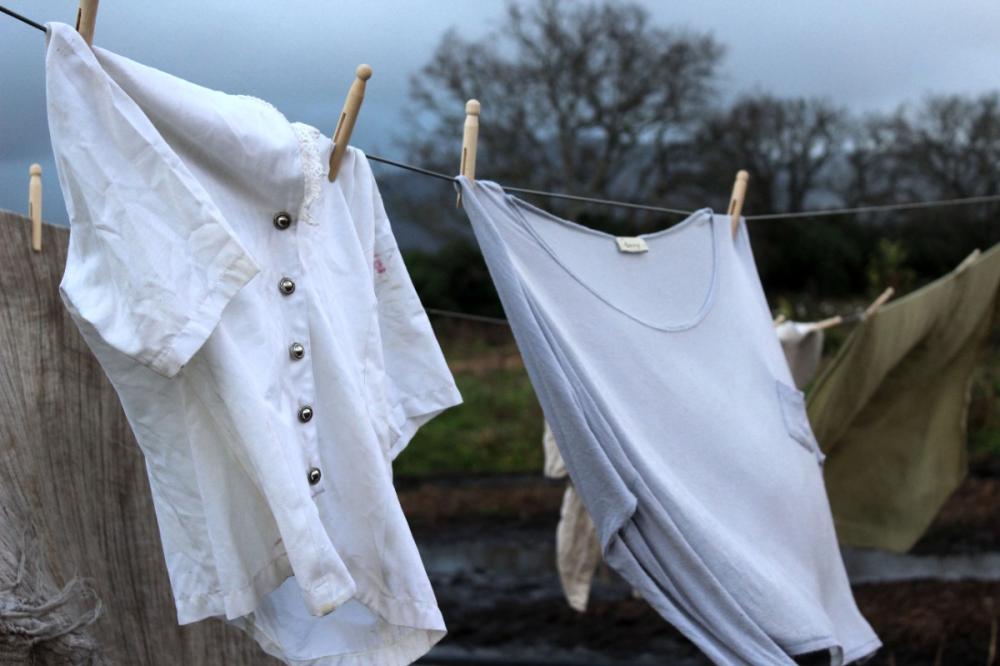
Image by Lelsey Barker from Pixabay
When the heating goes off, many households expect their energy bills to fall but there are numerous ways – from trying to keep ourselves cool to overworking appliances – which can push them up.
The good news is that with a few simple changes and perhaps a little bit of planning, you can make a noticeable difference to your bills despite the hike in the energy price cap and without needing to sacrifice comfort and enjoyment.
Defrost the freezer
Not the most glamorous job for the summer and definitely not one for during a heatwave, but as the mercury rises, so does the amount of energy our fridges and freezers need to use to maintain a safe temperature.
This is particularly important if you have older appliances or ones which are located near heat sources and if they are opened more, particularly during social events.
Check door seals are working properly and make sure food is properly cooled before you put it in the fridge or freezer.
Cooling costs
Energy costs come when we use appliances which require a change in temperature, which means devices such as portable air conditioners and fans can be expensive to run if used for long periods or left on overnight.
Even multiple fans running during the day when energy costs are higher will all add to an increase in bills.
It’s best to try to keep homes cool by keeping curtains and blinds closed during the hottest part of the day and opening windows during cooler mornings and evening hours. If you have an air conditioner, use it carefully and stick to fans when it’s not so hot.
Swap the tumble dryer for a washing line
Summer often means more washing, whether that's sports kit, holiday clothes, beach towels or children's clothing during the school holidays. While warmer weather offers the opportunity to dry clothes outdoors for free, households that continue to rely heavily on tumble dryers could see energy bills rise.
Make sure you are only using the washing machines when they're full, choosing eco settings, and, if possible, planning laundry for days when you can get the maximum benefit from sunny days for drying.
Be mindful of hot water usage
Although central heating is switched off, some households actually use more hot water during summer because of increased showering, visitors staying over or children being home during the holidays. This can result in higher energy use from boilers or immersion heaters.
Keeping showers shorter, fixing dripping hot taps and ensuring hot water systems are operating efficiently can help prevent unnecessary costs.
Outdoor living can add to electricity bills
Summer can bring a range of additional energy costs linked to outdoor living, including hot tubs, garden lighting, pool pumps, electric barbecues and patio heaters. Some of these items can be surprisingly expensive to run, especially if you leave them switched on for long periods.
Investing in simple timers or smart apps, making sure you’ve turned equipment off when it’s not needed and opting for solar-powered garden lighting can help keep bills under control.
Switch of screens during the day
For households with children off school or adults working from home, summer can lead to increased daytime electricity consumption. Computers, televisions, gaming consoles, fans and kitchen appliances may all be used more frequently, gradually adding to monthly bills.
Being mindful about switching off devices when they are not in use and avoiding leaving electronics on standby. It’s also a great opportunity to teach kids about the importance of saving energy and encouraging them to play outside and away from screens.
Also by Jane Hawkes...
10 Things To Know If You’re Using AI To Book Your Last Minute Holiday10 Must-Dos Before You Jet Off On HolidayHoliday Problems We Accept – But Shouldn’tFlight Delays Hit One In Three Passengers This Summer - Here’s How To Claim What You’re OwedThe Hidden Ways Heatwaves Drain Your Wallet - And How To Stay Cool For LessThe shortened address for this article is: newspub.uk/01zr2
Search Results