


search
date/time

Sun, 1:00AM
clear sky
8.0°C
SSW 2mph
clear sky
8.0°C
SSW 2mph
 | Sunrise | 6:09AM |
| Sunset | 5:37PM |  |
P.ublished 3rd October 2026
lifestyle
Plugging The Leaks: Five Tips From Equifax UK To Draft-Proof Your Finances As Autumn Energy Price Cap Begins
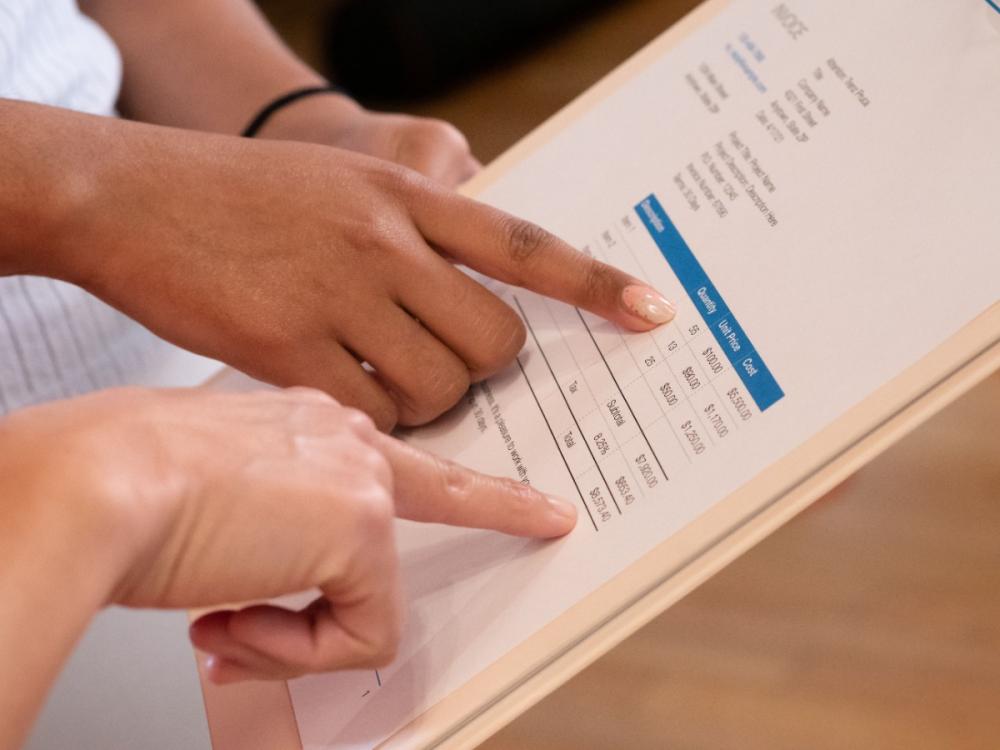
Photo: Kindel Media on Pexels
1st October marked the start of the new Ofgem energy price cap, which has increased by 4% to £1,723 for the average household. While the government has introduced a 0% VAT rate on electricity for the winter period, rising wholesale energy costs across global markets have offset these savings, leaving a typical household paying around £60 more annually.
As households turn up the thermostat, the combination of rising utility costs and financial blind spots – such as unused subscriptions or inefficient debt management – can quickly compound. Without a proactive approach to plugging these financial leaks, consumers could risk slipping into overdrafts or missing bill payments, which could leave a lasting effect on credit reports.
Craig Tebbutt, financial health expert at Equifax UK, said: “While draft-proofing our homes for the cooler months is second nature, draft-proofing our finances offers a fantastic opportunity to unlock real seasonal wins.
“Plugging hidden wallet leaks - like forgotten subscriptions or high-interest debt - can help give your budget an instant lift. Taking a few proactive, empowering steps to insulate your finances today can help you to stay confident, resilient, and fully financially healthy for the months ahead.”
Top tips from Equifax UK to plug ‘wallet leaks’ this autumn:
1. Draft-proof your bank account: Just as cold air slips beneath a door, money can quietly seep out of your account through unused gym memberships or forgotten streaming services. Conduct an autumn audit of your bank statements and cancel anything you no longer need. The savings could help offset the £60 annual energy price cap increase.
2. Plug into support schemes: If you are struggling with the rising cost of utilities, look into additional support options. Many major energy suppliers operate dedicated hardship funds for lower-income households. You may also be eligible for the UK government’s £150 Warm Home Discount which opens in October 2026. You can also check if you qualify for social tariffs offered by broadband and water providers.
3. Put a freeze on missed payments: If your energy bills become unmanageable, it is not advised that you simply cancel your direct debit. Missing a utility payment can leave a lasting impact on your credit file and could make future borrowing harder. Instead, contact your supplier immediately: they are mandated by Ofgem to help you set up an affordable payment plan tailored to your financial circumstances.
4. Turn down the dial on high-interest debt: A radiator full of trapped air won’t heat your home efficiently, nor will high-interest debt help your budget and saving. If you have multiple credit cards or loans, look into whether a 0% balance transfer card or debt consolidation could reduce the amount of interest being charged to your account each month, freeing up cash for winter essentials.
5. Monitor the meter - and your credit report: Getting a smart meter helps you track exactly what energy you are using, preventing unexpected billing surprises. Apply the same logic to your financial footprint. You can check your free Equifax credit score monthly via the myEquifax app (available on the App Store and Google Play) to help monitor your account activity, track your financial health, and ensure no unexpected leaks are negatively impacting your credit profile.
For more tips on managing your financial health this autumn, visit the Equifax Knowledge Centre.
The shortened address for this article is: newspub.uk/0214q