


search
date/time

Sun, 10:00AM
scattered clouds
12.5°C
SW 3mph
scattered clouds
12.5°C
SW 3mph
 | Sunrise | 4:56AM |
| Sunset | 7:18PM |  |
P.ublished 25th April 2026
lifestyle
Pilates For Post-Marathon Recovery
Pilates
While you might think Pilates is a one-size-fits-all exercise, there are actually many different types and don't be fooled into thinking Pilates is just for the women. Pilates was invented by a man, Joseph Pilates, during WWI as a form of rehabilitation for sick and injured prisoners. Today, many men incorporate Pilates into their fitness and recovery routines, including many pro and ex-athletes like Tiger Woods, David Beckham, Lebron James, and Cristiano Ronaldo. Each style offers its own unique benefits and GymEquipment.co.uk has collated your options to find the style that fits your marathon recovery best.
Images GymEquipment.co.uk
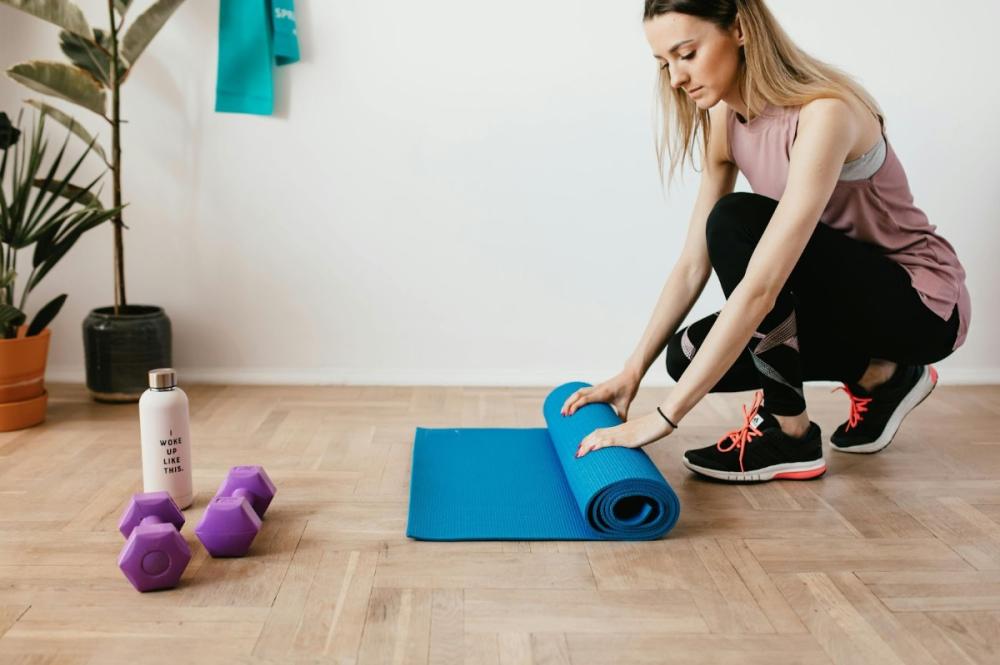
The most accessible form of Pilates, performed on a mat using bodyweight resistance. It focuses on core strength, balance, and control, often using small props like resistance bands or Pilates rings to add variety.
Reformer Pilates:
Performed on a Reformer machine, this style adds resistance through springs, straps, and a moving carriage to intensify exercises. It’s great for full-body strength, core control, and flexibility, offering a dynamic and challenging workout. Reformers can also be upgraded with a cadillac for even more flexibility and movement.
Chair Pilates:
A modified form of Pilates that uses a Pilates chair as a support for exercises. Also known as a Wunda Chair, this is a compact but powerful piece of Pilates equipment often used in advanced Pilates training. It consists of a sturdy box with a spring-loaded pedal, allowing for a wide range of strength, balance, and mobility exercises.
Barre Pilates:
A fusion of Pilates, ballet, and strength training, this style focuses on small, controlled movements, high reps, and isometric holds to sculpt and tone muscles. Often done with a ballet barre, it’s great for leg and glute endurance, posture, and flexibility.
Contemporary Pilates:
A modern take on Pilates, blending classic movements with elements from physiotherapy, yoga, and functional training. Often more adaptable and customised for rehabilitation, sports performance, or general fitness.
Classical Pilates:
Joseph Pilates’ original method follows a structured sequence of exercises designed to flow seamlessly, unlike modern forms of Pilates that can incorporate other movements like HIIT exercises. It emphasises precision, breath control, and full-body engagement.
Stott Pilates:
A scientific and rehabilitation-focused approach to Pilates, developed by Moira Stott. It modernises classical Pilates by emphasising spinal alignment, natural movement patterns, and core stability, making it a popular choice for injury prevention and recovery.
Whether you’re looking to gently mobilise sore muscles, strengthen areas prone to overuse, or rebuild core stability, there is a Pilates style suited for every recovery journey. By choosing the right type for your needs, Pilates can help you bounce back from your marathon with improved balance, flexibility, and strength—so you’re not just recovering, you’re building a better foundation for your next race.
As runners seek safe and effective ways to recover post-marathon, Pilates is emerging as a go-to method for restoring mobility, improving muscle balance, and preventing injury. With a range of styles, from accessible Mat Pilates to the resistance-based Reformer there is an option to suit every recovery need.
More structured approaches like Classical and Stott Pilates offer precise, rehabilitation-friendly movements grounded in breathwork and core alignment. Whether easing back into movement or strengthening the body for future training, Pilates provides a customisable path to recovery that’s both restorative and performance-enhancing.
The shortened address for this article is: newspub.uk/01z5u
Search Results