


search
date/time

Sat, 4:00PM
broken clouds
15.9°C
6mph
broken clouds
15.9°C
6mph
 | Sunrise | 4:41AM |
| Sunset | 7:23PM |  |

Ian Garner
Business Writer
P.ublished 25th April 2026
business
Bring Your Whole Self To Work: The Power Of Authenticity In The Modern Workplace

Image: Jürgen Hartmann (Pexels)
Emotions, values and experiences were often seen as irrelevant or even distracting in the pursuit of business objectives. Yet, as the world of work evolves, shaped by skills shortages, new ways of working and shifting expectations, organisations are realising that encouraging authenticity at work is not simply a soft, idealistic concept but a vital component of business success.
At its essence, bringing your whole self to work is about being able to show up as you truly are. It is not about oversharing personal matters or disregarding professional boundaries; rather, it is about feeling comfortable enough to express your true character, values and lived experiences. A workplace that fosters this kind of environment enables individuals to contribute fully, speak openly and ultimately perform at their highest levels.
The commercial case for championing authenticity is robust. Studies consistently show that psychological safety in the workplace leads to greater employee engagement, more effective teamwork and improved decision-making.
When people feel they belong and do not have to hide aspects of themselves, whether that relates to neurodiversity, cultural background, caring responsibilities or mental health, they are more likely to take initiative, challenge the status quo, and innovate.
Conversely, employees who feel compelled to mask their true selves experience greater stress, a higher risk of burnout, and reduced performance.
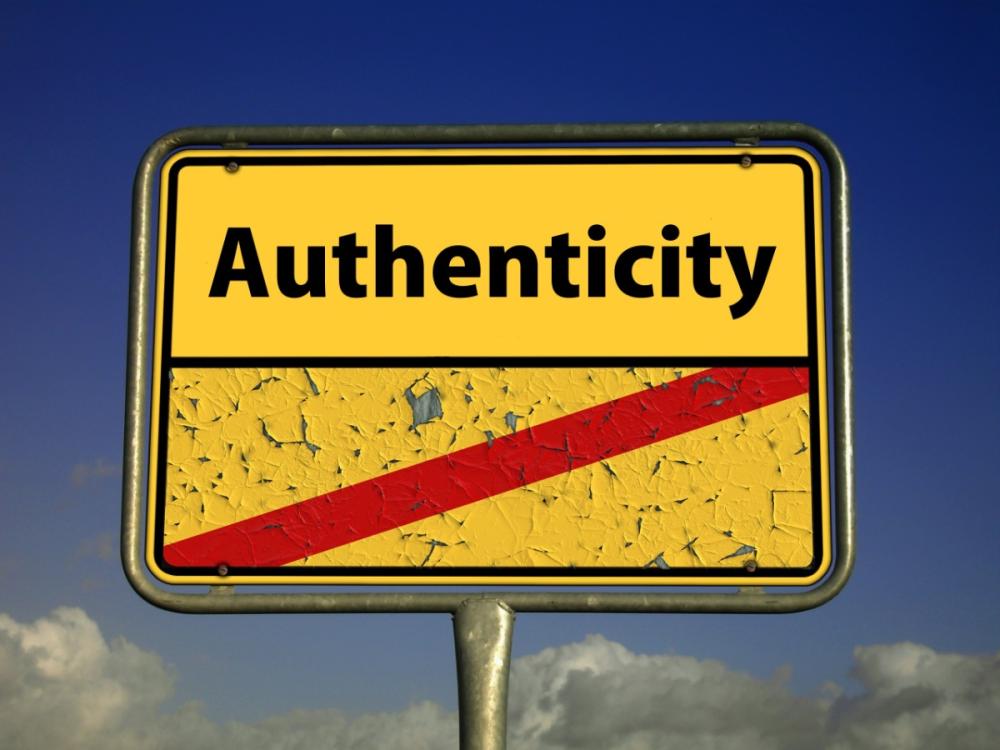
Image by Gerd Altmann from Pixabay
However, building a culture where people feel able to bring their whole selves to work takes more than well-intentioned policies or statements. True change is embedded in everyday behaviours, especially those demonstrated by leaders. When senior managers are open about their own uncertainties, admit mistakes or appropriately share personal experiences, they set a powerful precedent that authenticity is not just permitted but genuinely valued. Without such actions, efforts to promote authenticity can seem superficial, leaving employees wary of being open.
Line managers also play a pivotal role in creating psychologically safe environments. Conversations that go beyond just giving updates on a regular basis help build trust and understanding between people. Simple actions, such as asking colleagues about their preferred working styles, appreciating different communication preferences, or being mindful of workload pressures, can have a significant positive impact.
Crucially, managers should be equipped with the skills and confidence to handle sensitive topics, including mental health or personal issues, in a supportive manner without crossing professional boundaries.
There is also a structural aspect to consider. Organisational policies and processes must reinforce, rather than undermine, authenticity. Flexible working arrangements, inclusive parental leave, reasonable adjustments and clear channels for raising concerns all signal that individual differences are not just tolerated but genuinely supported. Performance management should reward collaboration and behaviours that reflect corporate values, not just personal achievements.

Image by Gerd Altmann from Pixabay
Ultimately, fostering an environment where individuals feel seen, respected and trusted unlocks potential. Employees who feel comfortable being themselves bring more energy, creativity, and commitment to their roles. For organisations navigating an ever-changing landscape, this human advantage may be one of their most valuable assets.

Also by Ian Garner...
How To Make A Strong Case For A Promotion Or Pay RiseMind Your Manners, A British Traveller’s Guide To Etiquette AbroadWhy Fractional Roles Are Reshaping Modern Business LeadershipIntelligence Meets Emotion, The True Formula For SuccessYork Event Reveals Significant Social Value Potential For Yorkshire Businesses